
News
ECOG3N: Utility-Grade Power for Sites Beyond the Grid
August 20, 2026Remote and off-grid sites across sectors such as resources, utilities, infrastructure and temporary works rely on power systems to support communications, monitoring equipment and site facilities without interruption.
This is typically achieved through diesel generation, which provides consistent output but introduces ongoing requirements around fuel transport, storage and servicing. As operations move further from established infrastructure, these supporting requirements become more difficult to manage and more visible in overall operating costs.
CSE Linked approaches this by combining multiple power sources into a single system that can be deployed, monitored and adapted as site conditions change.
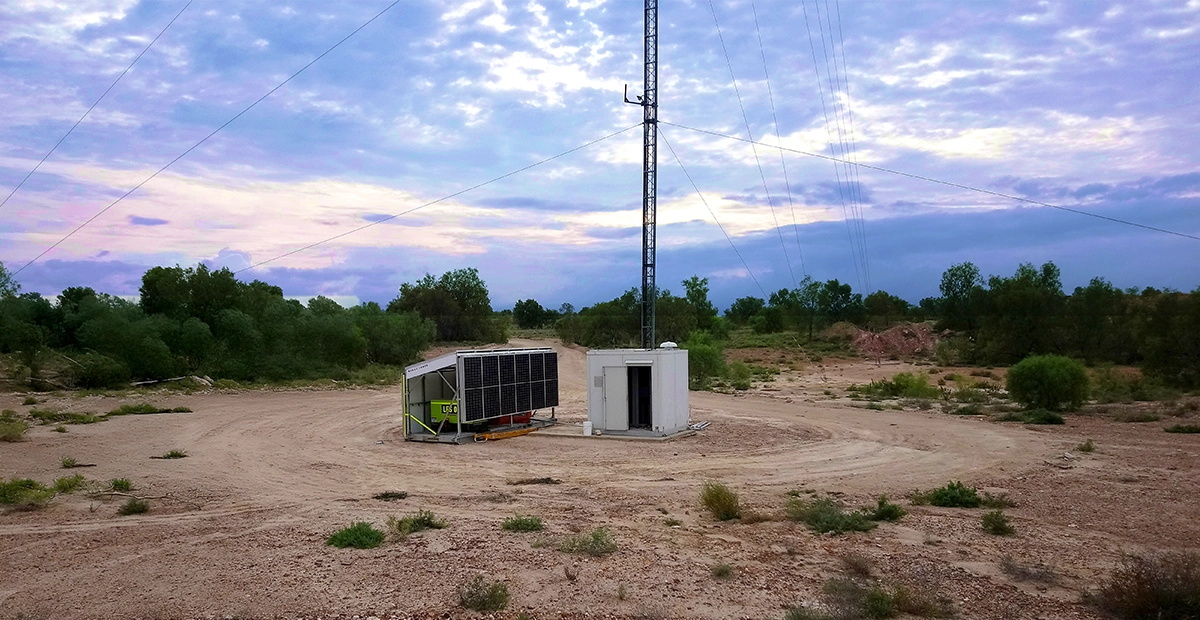
ECOG3N is a hybrid solar generator solution that integrates solar PV, battery storage and optional standby generation. It is designed to deliver stable, autonomous power in locations where grid supply is unavailable, with the ability to maintain output across variable conditions and load profiles.
Maintaining consistent supply across variable conditions
Off-grid power systems rarely operate under steady conditions. Solar generation fluctuates throughout the day, while site demand shifts depending on equipment use, occupancy and operating hours.
ECOG3N manages this by coordinating solar input with battery storage, allowing energy generated during the day to be retained and used as demand continues or conditions change. When solar availability is reduced for extended periods, integrated standby generation provides continuity without requiring constant operation.
This layered approach allows supply to be maintained without relying on a single source, improving overall stability across changing operating conditions.
Limiting generator runtime through system design
The impact of this system design is most visible in how the generator is used.
Rather than running continuously to support base load, generator engagement is limited to periods where solar and stored energy are insufficient. This reduces total runtime and directly affects several operational factors:
- Fuel consumption is reduced, lowering both cost and delivery frequency
- Logistics effort decreases, particularly for remote or difficult-to-access sites
- Maintenance intervals are extended, reducing servicing requirements and downtime
- Mechanical wear on generator components is reduced over time
In suitable deployments, this approach has supported extended operation without generator use while maintaining required loads.
Designed to move with the operation
Power infrastructure in remote environments often needs to move with the operation. Temporary installations become permanent, equipment is relocated and new areas come online.
ECOG3N is designed to support this through trailer-mounted and skid-based configurations that can be deployed, repositioned and recommissioned without fixed infrastructure.
The 16 kW trailer configuration supports mobile applications such as communications and monitoring systems, while higher-capacity systems, including 48 kW skid units, are suited to more consistent or energy-intensive loads.
This flexibility allows a single system to be used across multiple stages of a project, rather than being limited to a single installation.
Supporting a range of site loads
Off-grid systems are often required to support multiple applications at once.
ECOG3N systems can be configured to support communications infrastructure, environmental monitoring equipment and site facilities such as offices, temporary buildings and welfare amenities. This allows operators to consolidate power supply rather than deploying separate systems for each function.
Where required, configurations can include IP-rated enclosures, heat exchangers and integrated air conditioning to maintain appropriate operating conditions for sensitive equipment.
Remote monitoring and GPS tracking provide visibility across dispersed sites, enabling operators to review system performance and respond without requiring physical attendance.
Designed for operating conditions on site
Environmental factors such as dust, heat and limited maintenance access directly affect system performance in remote locations.
ECOG3N units are built with these conditions in mind, using heavy-duty, site-ready construction and locally fabricated components to support durability over time. Folding solar arrays allow for practical transport and deployment, while optional automated cleaning systems can help maintain panel efficiency in dust-heavy environments.
System-level energy management also uses available data to anticipate changes in solar availability and demand, allowing battery storage and generator engagement to be managed more effectively.
A controlled approach to off-grid power
ECOG3N shifts how power is provided in off-grid environments by combining solar, battery storage and controlled backup generation into a single system.
This reduces reliance on continuous diesel operation while maintaining the consistency required to support critical site infrastructure. For operators, this translates to a system that aligns more closely with how remote sites operate, where conditions change, access is limited and reliability cannot be compromised.
Contact the team today if you’d like to discuss how ECOG3N can benefit your operations.